Get Free Consultation!
We are ready to answer right now! Sign up for a free consultation.
I consent to the processing of personal data and agree with the user agreement and privacy policy
In 2025, simply having a website is not enough. To compete internationally and attract high-quality clients, your website must combine modern web design, advanced SEO, real user experience, and strong credibility signals. Search engines have evolved, users have higher expectations, and only websites that are fast, helpful, and trustworthy succeed in both rankings and conversions. This guide explains the most effective web design and SEO strategies for 2025, especially for businesses using WordPress, Elementor, and Yoast SEO.
Search engines no longer rank websites based only on keywords. Today, user behavior, page performance, clarity, and trust signals play a critical role in how pages rank. A visually attractive website that loads slowly or confuses users will fail, while well-optimized SEO content with poor design will struggle to convert visitors. The most successful websites are those where design supports SEO and SEO enhances user experience.
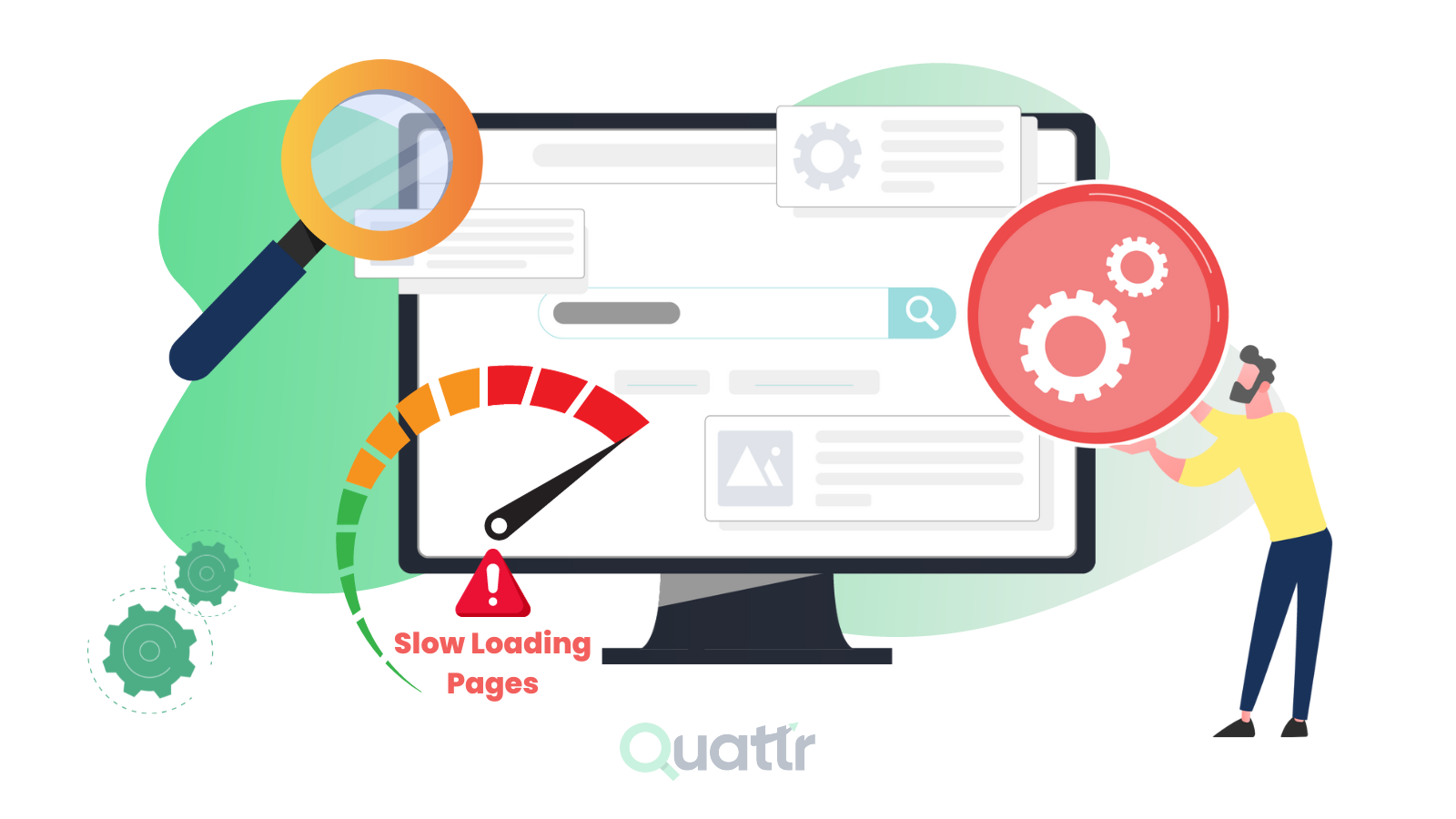
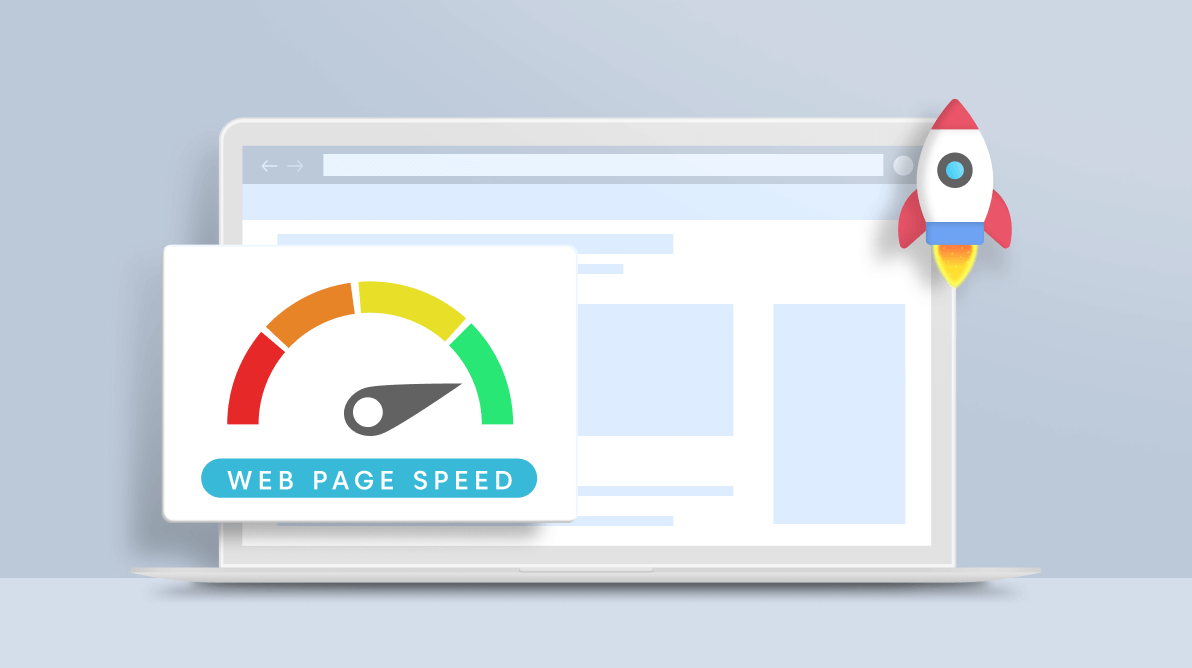
Website speed is one of the strongest SEO and conversion factors in 2025. Users expect instant loading, especially on mobile devices. Search engines measure this through Core Web Vitals, including loading time, interactivity, and visual stability.
To improve performance, websites should use modern image formats such as WebP, enable lazy loading, minimize unnecessary scripts, and use high-quality hosting with caching and a CDN. Elementor’s built-in performance features can significantly improve loading times. Faster websites reduce bounce rates, increase engagement, and generate more leads.
Modern SEO prioritizes content written for humans, not algorithms. Search engines reward websites that demonstrate real experience, expertise, authority, and trustworthiness. Generic and shallow content no longer ranks.
High-performing content answers real user questions, explains topics clearly, and provides practical insights. Well-structured headings, short paragraphs, and simple language improve readability and SEO performance while building trust with visitors.
Clear structure helps both users and search engines understand your content. Proper use of H1, H2, and H3 headings, along with logical sections, improves indexing and readability.
Adding structured data such as FAQ schema and organization schema allows search engines to display rich results. These enhanced listings increase click-through rates and help establish authority before users even visit your website.
Search behavior is shifting toward AI-powered results and direct answers. Websites that present information clearly and concisely are more likely to be featured in these results.
Including short answer blocks, summaries, and clearly defined sections improves your chances of being selected as a trusted source by search engines and AI systems.
Images and videos are no longer just design elements. They play a major role in SEO, accessibility, and conversion rates.
Optimized images with descriptive alt text improve accessibility and visibility in image search. High-quality visuals such as screenshots, diagrams, and real examples help users understand your services faster and increase engagement.
Targeting a global audience requires proper international SEO implementation. Simple translation is not enough to rank and convert internationally.
Using hreflang tags, localized metadata, region-specific content, and fast global delivery through a CDN ensures your website performs well across different countries and languages.
Ranking high is important, but conversions matter more. Websites must guide visitors clearly toward action.
Clear calls-to-action, simple contact forms, trust signals, testimonials, and intuitive navigation significantly improve lead generation. SEO brings traffic, but user experience and design convert that traffic into customers.
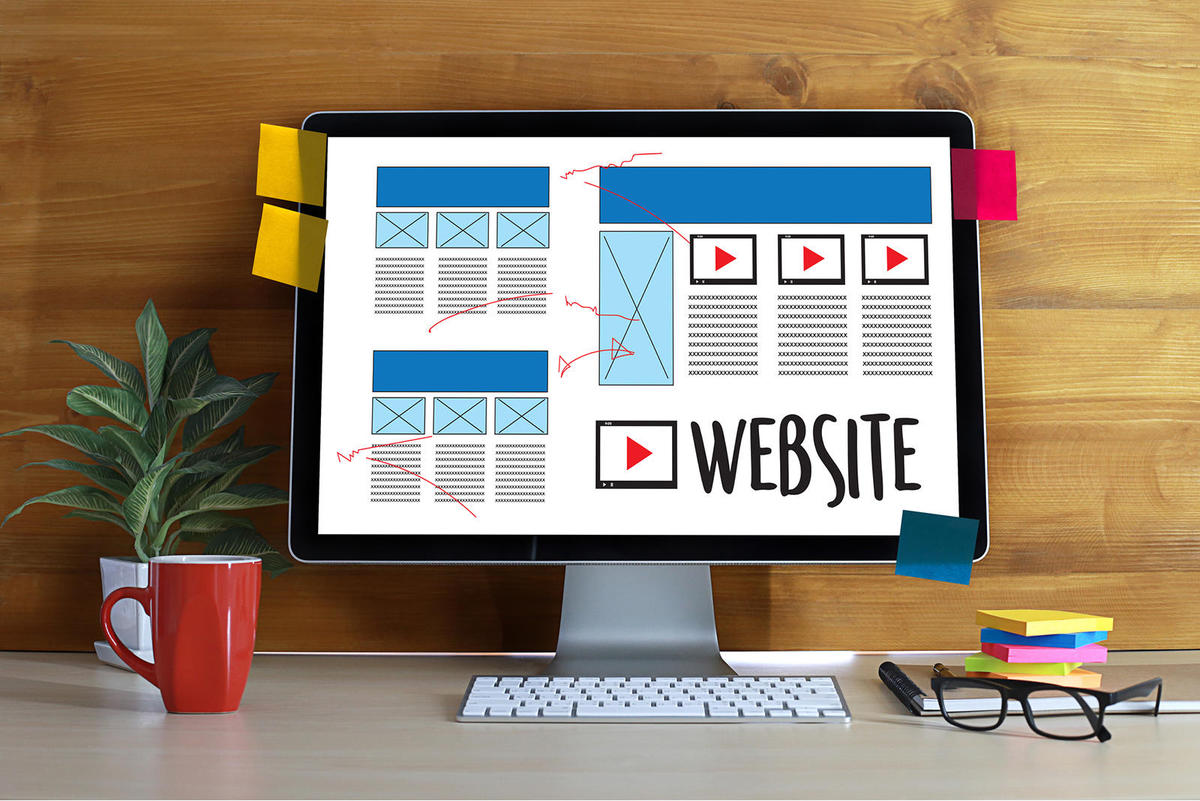
The most effective websites follow a proven structure: a strong hero section explaining value, problem-solution messaging, service breakdowns, proof through case studies or testimonials, helpful FAQs, and a clear call-to-action. This structure aligns perfectly with both user expectations and search engine evaluation.
Yoast SEO is a powerful tool for on-page optimization when used correctly. Setting a clear focus keyphrase, optimized SEO title, engaging meta description, and proper internal linking improves technical SEO.
Yoast works best when combined with high-quality, helpful content. While green indicators are useful, true SEO success comes from content that genuinely answers user intent and builds trust.
Websites built with advanced SEO and professional design signal authority and reliability. They attract clients who value quality, expertise, and long-term partnerships rather than low prices. This approach creates sustainable business growth in competitive international markets.
In 2025, successful websites are fast, clear, helpful, and trustworthy. They are built for real users, optimized for modern search engines, and designed to convert visitors into loyal clients. By combining performance optimization, people-first content, structured design, and strategic SEO, businesses can build websites that rank higher and grow globally.
If you want your website to attract international customers, rank competitively, and convert traffic into real business opportunities, aligning your web design and SEO strategy with these principles is essential.